

If you are applying for T nonimmigrant status and have a prior removal, a criminal record, or an issue involving immigration documents, Form I-192 may give USCIS a way to approve your case despite a legal barrier. Certain U visa petitioners can use the same form. The legal grounds USCIS can waive and the evidence that helps make the case depend on which status you seek.
Find Out What the Government Record Shows
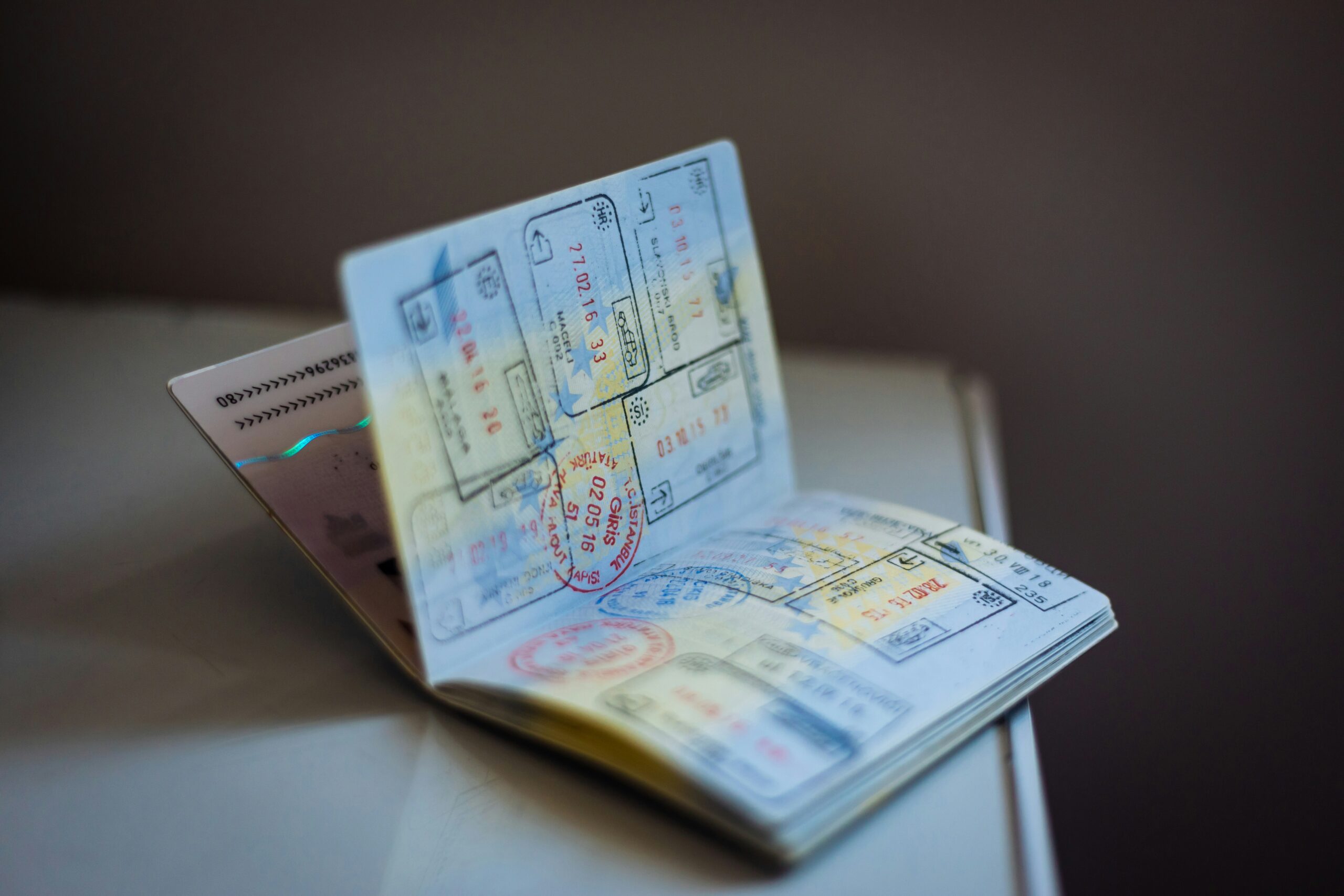
Inadmissibility means a specific provision of immigration law can prevent you from receiving the status you are seeking. It helps to start with the underlying records. For example, someone may remember being turned back at the border without knowing whether immigration officers issued a formal removal order. The difference can change the analysis, particularly if the person later returned to the United States.
Other issues can include using someone else’s documents, certain criminal convictions, or prior periods of unlawful presence followed by departure. The dates, the exact conduct, and the outcome of any court case matter. Gather any immigration notices or court dispositions you have, and explain where the record is incomplete.
A lawyer can use those documents to identify which grounds may apply and whether an exception or waiver is available.
The Evidence That Matters in a T Visa Waiver
Under Section 212(d)(13) of the Immigration and Nationality Act, USCIS may grant a discretionary waiver to a T applicant when doing so is in the national interest. For grounds other than health-related grounds, this authority generally requires a connection between the trafficking and the conduct that made the applicant inadmissible. Certain security grounds, international child abduction, and renouncing U.S. citizenship to avoid taxation are excluded under this provision.
Suppose a trafficker made someone travel using documents that belonged to another person. A statement could describe who supplied the documents, what the survivor was told to do, and what threats or pressure made it difficult to refuse. Messages or travel records may help establish that sequence if the survivor can safely obtain them.
Sometimes an issue predates the trafficking or arose independently of it. USCIS can consider a separate discretionary nonimmigrant waiver under Section 212(d)(3) where that provision is available. An attorney can assess which authority fits each ground in the case.
How a U Visa Waiver of Inadmissibility Works

A U visa petitioner can request a waiver under Section 212(d)(14). USCIS may waive many grounds when it finds that doing so serves the public or national interest. The agency can consider issues unrelated to the qualifying crime. The law excludes the ground covering participation in Nazi persecution, genocide, torture, or extrajudicial killing.
A request might explain the circumstances behind an old conviction, provide the final court disposition, and show what has happened since. Evidence of rehabilitation, family responsibilities, or assistance to investigators may help USCIS evaluate the request. If a record contains an error, identify the specific entry and include any reliable documentation that corrects it.
Preparing Form I-192

Use the current USCIS Form I-192 instructions to confirm the form edition, where to file, and what supporting documents apply. Applicants typically submit the waiver with the related Form I-914 for T status or Form I-918 for U status. If an issue comes to light after filing, review how to submit the waiver in connection with the pending case. A family member seeking derivative status may need a separate Form I-192 for their own inadmissibility.
Organize the packet so the officer can see which evidence goes with each issue. A short chronology is especially helpful when there are several entries, encounters with immigration authorities, or court dates. Include certified dispositions when required, complete certified English translations for documents in another language, and a clear explanation of why USCIS should exercise discretion favorably. Describe any missing records and the steps taken to obtain them.
USCIS evaluates the waiver and the underlying T or U request under separate requirements. Keep a copy of the waiver decision and note which grounds it covers. That record can be useful later if you pursue a green card based on T status, when the rules for any unresolved or newly arising issues may differ.
If you have an old removal order or a document you do not recognize, bring it to your consultation even if you only have part of it. Hayoon Kane Law Firm can help you identify the issue, determine whether an I-192 waiver is available, and prepare the evidence USCIS needs to evaluate it.