

Form I-918 Supplement B is the law enforcement certification required with a U visa petition. To request it, you generally contact an agency involved in the qualifying criminal activity, follow its submission procedures, and provide records showing what happened and how you assisted authorities.
For victims of violence, abuse, or exploitation, approaching an agency again can feel intimidating. An immigration attorney can help identify the appropriate certifying official, organize the request, and address safety or language concerns before submission.
What Does Form I-918 Supplement B Establish?
The form, officially called the U Nonimmigrant Status Certification, documents qualifying criminal activity and the victim’s past, present, or likely helpfulness to authorities. A police report can support the request, but it cannot replace the signed certification.
U visa certification does not grant a visa, work permit, or lawful immigration status. USCIS decides the immigration petition separately, including whether the applicant suffered substantial physical or mental abuse and meets the other eligibility requirements.
The certification is also required initial evidence for a U visa bona fide determination. Obtaining a signature is an important step, but it is not preliminary immigration approval.
Who Can Sign U Visa Law Enforcement Certification?

The agency must have responsibility for detecting, investigating, or prosecuting the qualifying criminal activity, or convicting or sentencing the perpetrator. Eligible entities can include police departments, prosecutors, judges, and certain other government agencies.
For example, child protective services or labor agencies may have certification authority in appropriate cases. The correct agency depends on its legal authority and involvement in the criminal activity. The officer who took your report is not necessarily authorized to sign. Generally, the signer must be the agency head, a supervisor specifically designated by that head, or an eligible judge. A victim advocate may help coordinate a request without having signing authority.
How to Request Certification

1. Identify the Agency and Its Procedures
Start with the agency that handled the incident. Ask whether it has a U visa certification coordinator, designated official, or victim-services contact. If prosecutors or another agency were involved, an attorney can evaluate whether that office is an appropriate certifier.
Confirm the submission method and required documents. Some agencies use their own request forms or ask for a proposed Supplement B. A form prepared for review must remain accurate, and the authorized official must review and sign the certification.
2. Prepare a Clear Request Packet
Use the current form and instructions available through the USCIS Form I-918 page. Depending on the agency’s procedures, useful materials may include:
- Your name, safe contact information, and case or incident number
- The date and location of the criminal activity
- Police reports or relevant court records
- A brief explanation of the qualifying criminal activity
- A description of your assistance, such as answering investigators’ questions or providing evidence
- Relevant correspondence documenting that assistance
You do not need to retell every traumatic detail in the initial request. Provide enough accurate information for the agency to identify and evaluate the case. Discuss missing records with your attorney rather than assuming they make certification impossible.
3. Submit the Request and Keep a Record
Follow the agency’s instructions and retain a copy of the packet, submission date, and delivery confirmation. Ask how to follow up and where the completed certification will be sent.
If receiving mail or calls could expose you to danger, explain the concern and arrange a safe communication method. Request language assistance if needed.
4. Review the Signed Form Before Filing
Check identifying information, incident details, the official’s authority, and the signature date. If information is missing or incorrect, request clarification or correction from the agency. Do not alter an official’s signed statements yourself.
Does the Case Need an Arrest or Conviction?
An arrest, prosecution, or conviction is not required for certification. A closed case or a decision not to file charges does not automatically prevent an authorized official from signing.
Helpfulness can include providing information during the detection or investigation of criminal activity. It does not necessarily require trial testimony. Special rules allow a parent, guardian, or next friend to provide information and assistance for certain victims, including children younger than 16.
Nevada’s Certification Rules and Deadlines
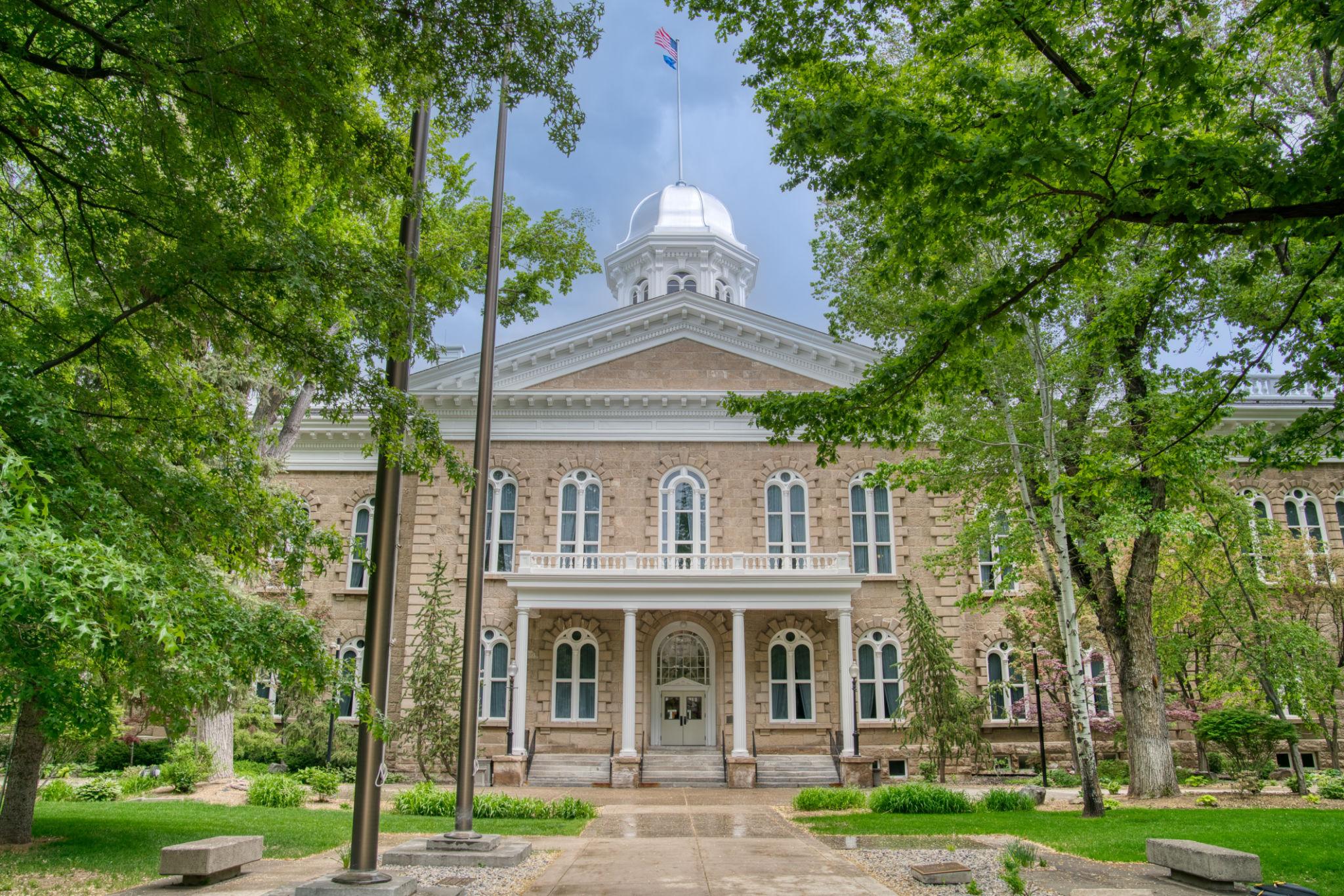
Nevada law provides specific protections. Under NRS 217.580, an agency that determines the petitioner meets the victimization and helpfulness requirements must complete and sign the certification. It cannot base that determination on how long ago the crime occurred, whether an investigation remains active, or whether charges, prosecution, or a conviction followed.
NRS 217.585 generally requires processing within 90 days. The deadline is 14 days if the petitioner is 20 years old or a party to federal removal proceedings. These are agency processing deadlines, not USCIS approval timelines. Other states have different rules.
How Long Is the Signed Certification Valid?
USCIS must receive the U visa petition and required initial evidence, including Supplement B, within six months of the certifying official’s signature. If that window passes before filing, a newly signed certification is needed.
This does not mean certification must be renewed every six months while a properly filed petition remains pending. Coordinate the request with preparation of the full petition to avoid unnecessary delays.
What If the Agency Declines?

Ask for the reason and preserve the response. An attorney can review whether records are missing, an applicable state requirement was overlooked, or another involved agency has certification authority.
Other immigration options may also deserve review. Certain abuse survivors may qualify for a VAWA self-petition. Trafficking survivors may have a separate path from T status to permanent residence, with different evidence requirements.
Hayoon Kane Law Firm in Las Vegas can help assess certification requests and prepare the supporting immigration case. Schedule a confidential consultation to discuss your circumstances and available next steps.