

Unlawful presence can affect your ability to obtain a visa or green card, especially if you leave the United States. Depending on how much unlawful presence you accrued, departure can trigger a 3- or 10-year bar to admission. Some people qualify for an exception, a waiver, or an immigration process that does not require leaving.
Being undocumented does not mean every option is closed. However, leaving to attend a visa interview or visit family can change your legal situation. Before making travel plans, it is important to determine whether a bar would apply and what options may be available.
What Is Unlawful Presence?
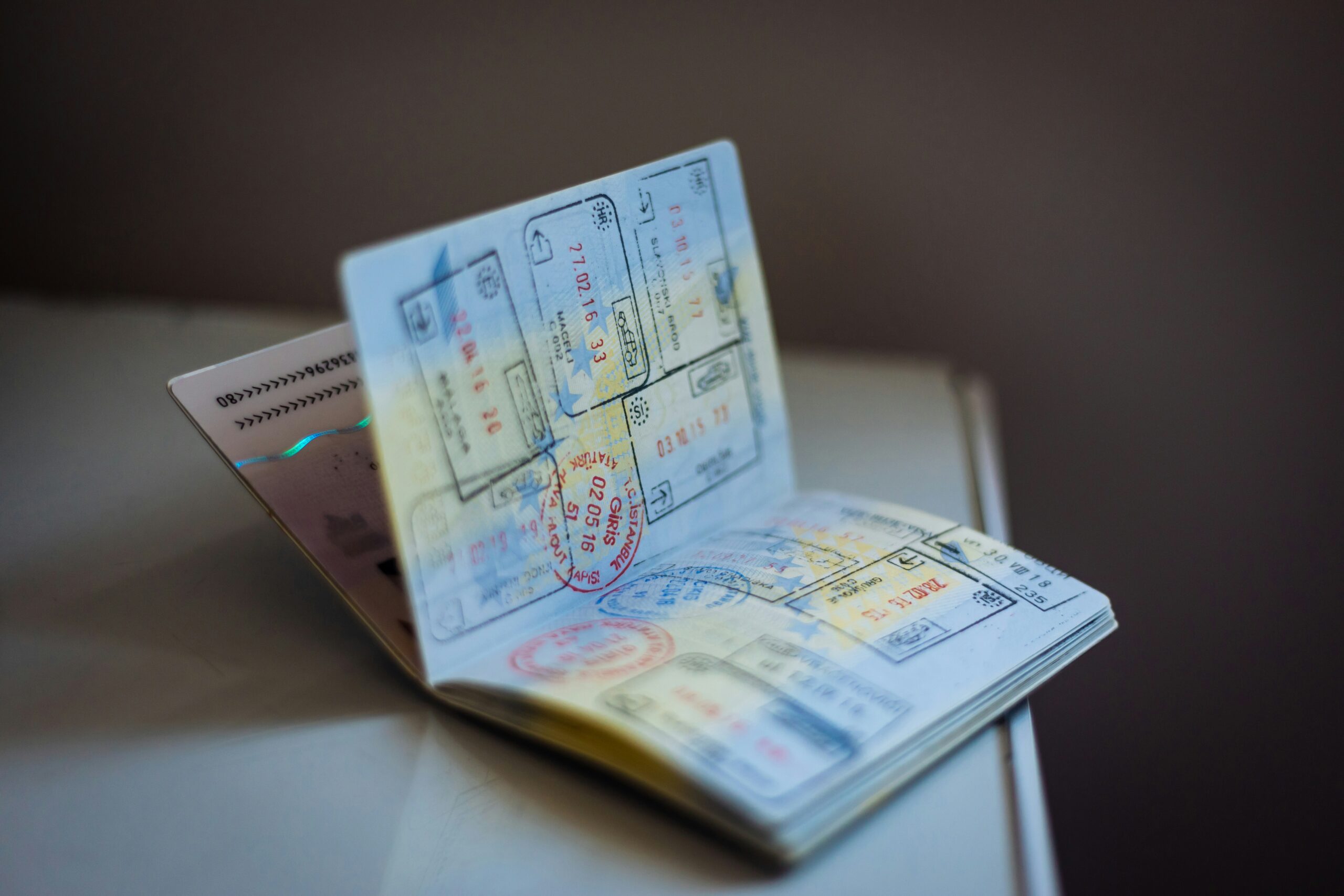
Unlawful presence is a specific immigration-law calculation. It generally includes time spent in the United States without admission or parole, or after an authorized period of stay expires.
For someone admitted until a specific date, the Form I-94 admission record generally matters more than the expiration date printed on the visa. A visa allows someone to request entry; it does not necessarily determine how long they may remain.
Unlawful presence and unlawful immigration status are related, but they are not interchangeable. Someone may lack lawful status while a particular period does not count toward an unlawful presence bar. USCIS outlines the rules in its guidance on unlawful presence and inadmissibility.
When Do the 3- and 10-Year Bars Apply?
The bars appear in Section 212(a)(9)(B) of the Immigration and Nationality Act. The basic rules concern unlawful presence during a single stay:
| Bar | General trigger |
| Three-year bar | More than 180 days but less than one year of unlawful presence, followed by voluntary departure before specified removal proceedings begin. |
| Ten-year bar | One year or more of unlawful presence, followed by departure or removal. |
The bar affects someone seeking admission during the applicable period after departure. Simply reaching 181 days or one year inside the country does not, by itself, trigger these departure-based bars.
That does not mean remaining without status is free of immigration consequences. Removal risks and eligibility restrictions can exist independently.
For example, an adult who overstays an authorized admission by eight months and then voluntarily leaves before removal proceedings begin may trigger the three-year bar. A two-year overstay followed by departure may trigger the ten-year bar, unless an exception applies.
Does Every Day Without Status Count?

No. For purposes of these bars, time before a person’s 18th birthday does not count. Certain other periods may also be excluded, depending on the facts.
Time while a bona fide asylum application is pending is generally excluded, but unauthorized employment can affect that exception. Certain properly filed pending applications or grants of protection may also affect the calculation.
Filing an immigration petition does not automatically stop unlawful presence. An approved family petition, such as Form I-130, does not by itself provide lawful status or erase an overstay.
A reliable calculation requires reviewing entry records, age, applications, decisions, and departure dates rather than simply counting time spent undocumented.
Can You Obtain a Green Card Without Leaving?
Some people can apply for adjustment of status inside the United States. For example, certain immediate relatives of U.S. citizens who were inspected and admitted or paroled may qualify despite an overstay or unauthorized employment.
Marriage alone does not establish eligibility. Someone who entered without inspection generally cannot rely solely on marriage to a U.S. citizen to satisfy the admission-or-parole requirement. Other provisions, including certain older petition protections under INA Section 245(i), may require review.
A careful assessment of the marriage-based green card process should happen before deciding between adjustment and consular processing.
What Can an Unlawful Presence Waiver Do?

A waiver may allow an eligible applicant to overcome the three- or ten-year bar. The standard waiver generally requires showing extreme hardship to a U.S. citizen or lawful permanent resident spouse or parent.
A U.S. citizen child is not a qualifying relative for this standard hardship requirement. However, a child’s circumstances may matter when they affect the qualifying spouse or parent’s hardship.
Certain immigrant visa applicants can request a provisional waiver through Form I-601A while still in the United States, before departing for consular processing. Other cases may require Form I-601.
An approved I-601A addresses only the specified unlawful presence ground. It does not grant lawful status, employment authorization, or a visa, and it does not resolve other inadmissibility grounds. Applicants still must complete the required visa process, and approval does not guarantee admission.
Humanitarian Options Require a Separate Review
Survivors and young people may have options with different rules:
- VAWA: Certain abuse survivors may qualify for a VAWA self-petition. A specific exception to the unlawful presence bars requires a substantial connection between the abuse and the relevant status violation.
- Trafficking protections: Some survivors may qualify for T nonimmigrant status. A trafficking-related exception may apply when severe trafficking was at least one central reason for unlawful presence.
- SIJS: Eligible young people may pursue Special Immigrant Juvenile Status. SIJS-based adjustment applicants are exempt from the three- and ten-year unlawful presence grounds, although other requirements remain.
Certain crime victims may also qualify for U nonimmigrant status and applicable waivers. None of these options follows automatically from being undocumented.
A Different Rule: The Permanent Bar
A separate ground under INA Section 212(a)(9)(C), often called the permanent bar, may apply after more than one year of aggregate unlawful presence followed by entry or attempted reentry without admission. It can also apply after removal followed by such a reentry or attempt.
This is different from the ten-year bar. Form I-601A does not resolve it, and narrow exceptions require individual review.
Hayoon Kane Law Firm in Las Vegas can review your immigration history and assess possible adjustment, waiver, or humanitarian options. Schedule a confidential consultation before making travel or filing decisions that could affect your case.