
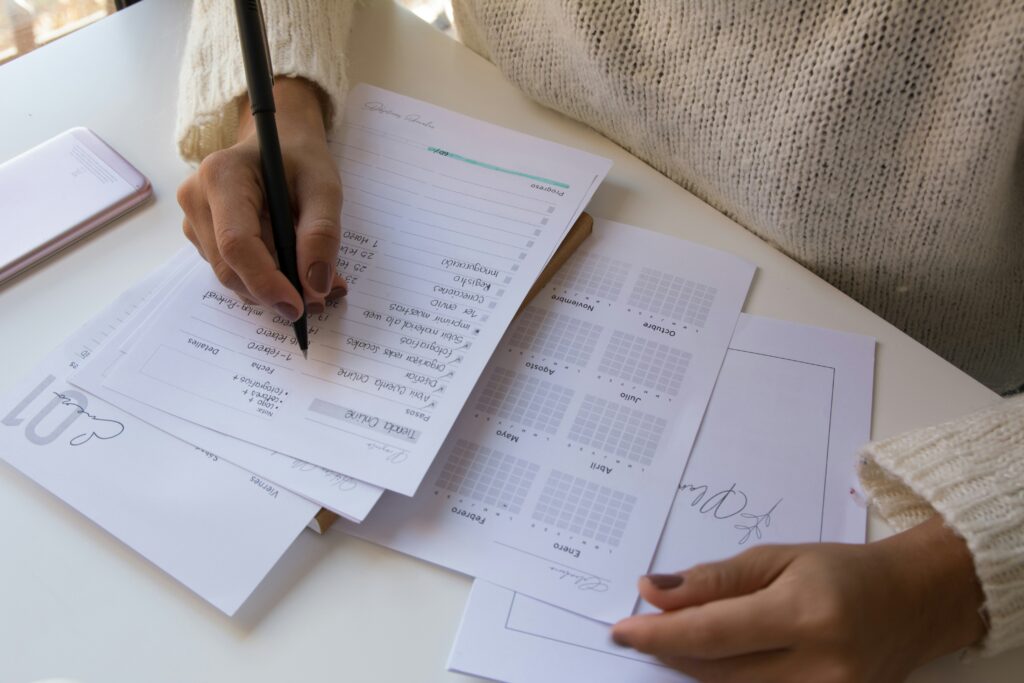
If your spouse kept your name off the lease, controlled the bank account, or took your immigration paperwork, start with the records you can safely access. A VAWA self-petition lets eligible survivors file Form I-360 without the abusive relative’s participation. Your filing needs evidence of the family relationship, the relative’s immigration status, shared residence, the abuse, and good moral character. If you’re filing as a spouse, you also need to show that you entered the marriage in good faith.
Start With the Relationship and the Address
- Qualifying relationship. A marriage certificate generally establishes a spousal relationship. Include records showing how prior marriages ended, if applicable. A birth certificate or adoption record may help establish a parent-child relationship. The relative’s status matters here. Spouse and child cases can involve a U.S. citizen or lawful permanent resident, while a self-petitioning parent generally must show the abusive son or daughter is a U.S. citizen who is at least 21.
- The relative’s citizenship or permanent residence. A copy of a U.S. birth certificate, U.S. passport, naturalization certificate, or green card can help, as applicable. If you cannot safely obtain a copy, tell your attorney what identifying information you already have, including any prior immigration receipt number. They can evaluate whether USCIS can verify the relative’s status from government records.
- Shared residence. Look for dated records showing where you both actually lived. A joint lease is one option. A utility bill in your name and an employment record in the other person’s name can also help if they show the same address during overlapping dates. Explain who lived there and when. If the dates are approximate, say so.
Show How the Marriage Began

For spousal petitions, a marriage certificate establishes the legal relationship. Evidence of good faith helps USCIS understand why you entered it. Think back to what you planned together at the time. Messages about a move, insurance records naming one spouse as a beneficiary, and a statement from someone who knew you as a couple can help explain that part of your life. If your spouse kept the finances separate, describe how that worked in your household and submit the records you do have.
Put Your Account of the Abuse in Your Own Words
A personal declaration can give context to events that look disconnected on paper. Describe what happened, who was involved, and how the conduct affected you. If someone repeatedly threatened to report you to immigration authorities when you tried to leave, explain the circumstances around those threats and what happened afterward. Battery or extreme cruelty can include qualifying conduct that leaves no visible injury.
If you have a protection order, police report, or medical record, include relevant copies. Other evidence might come from a counselor, a shelter advocate, threatening messages you already have, or someone who saw or heard what happened. Ask witnesses to describe what they personally observed. For instance, a neighbor can explain what they heard and when they heard it without guessing what happened inside the home.
A police report is one way to document abuse. USCIS considers any credible evidence relevant to a VAWA petition and decides how much weight to give each item. Use primary records when available and explain why a record is missing when you can. The USCIS Policy Manual on VAWA filing requirements describes the evidence USCIS considers.
Check Your Address History for Good Moral Character Evidence

If you’re 14 or older, list where you lived during the three years immediately before filing. Pay attention to every place, in or outside the United States, where you lived for six months or more. USCIS generally looks for a personal affidavit and applicable police clearances or background checks covering those locations.
If a clearance is unavailable, explain why and consider other credible evidence, such as statements from people who know you. If an arrest or court record comes up, have an attorney review it and the case outcome before you file.
Before Sending Form I-360
Check the current edition, signature, and filing address. Give each exhibit a short label so the reviewer can connect it to the relevant part of your statement. A record may support more than one requirement. An insurance policy, for example, might show a shared address and how you arranged coverage as a married couple.
Include a complete certified English translation for each document in another language. Keep a copy of the packet somewhere you can access safely and use a mailing address where you can reliably receive USCIS correspondence.
If a record is missing, write down what it would show and what you already have that could establish the same fact. Hayoon Kane Law Firm can prepare your I-360 VAWA documents and help identify safe ways to fill gaps in the evidence.